

Why Stress Keeps Us Awake
And How To Overcome It
You probably know the feeling of being tired throughout the day but suddenly alert when the lights go off. You may notice your thoughts picking up speed, your body holding tension, or your heart feeling a little too awake. Stress creates a cycle that makes sleep difficult, even when you want it more than anything. This can leave you frustrated and confused about why your mind and body seem to be working against you at night.
Studies from the National Institutes of health conclude stress changes how your internal systems behave, especially the pathways that help you shift into rest. Your brain has natural rhythms that guide the timing of alertness and sleep, but stress can interrupt those patterns and make nighttime feel unpredictable. This article explains how stress affects sleep, how the HPA axis shapes nighttime alertness, and what you can do to reduce hyperalertness. With a clearer understanding of these processes, you can make choices that help your nights feel calmer.
How Stress Affects Your Sleep
Stress activates systems designed to protect you from danger. These systems help you stay alert during the day, but they become disruptive when they activate at night. When stress builds throughout the day, your body continues releasing signals of alertness that make it difficult to fall asleep. Understanding how these systems work makes nighttime challenges feel less mysterious and gives you a sense of control.
What the HPA Axis Is and Why It Matters
The Hypothalamic Pituitary Adrenal axis, often called the HPA axis, manages your stress response. When you encounter stress, even mild stress, this system releases cortisol and other hormones that prepare your body for action. During the day, this is useful. At night, it becomes a barrier to rest. When your HPA axis stays active, your brain receives mixed signals. Part of you feels tired, but your stress system tells you to stay alert.
Stress affects nighttime sleep through several pathways:
- Higher nighttime cortisol
- Increased alertness
- Delayed melatonin release
- Faster heart rate
These changes create a state that makes sleep feel harder to reach. Your brain stays focused, your body feels prepared for movement, and your system becomes tuned toward wakefulness. When these signals continue after bedtime, they block your natural shift into sleep. Over time, your brain may begin expecting stress at night, which makes evenings feel even more challenging.
When your stress system stays active, your body becomes hypersensitive to any discomfort, pressure points, or movement in the bed. Even small shifts can trigger micro-arousals, keeping your sleep shallow and fragmented. Supportive bedding can’t shut down the HPA axis, but it can reduce the physical signals that keep it activated. A mattress that limits motion transfer, keeps your spine supported, and minimizes pressure can give your stress system fewer reasons to stay alert.
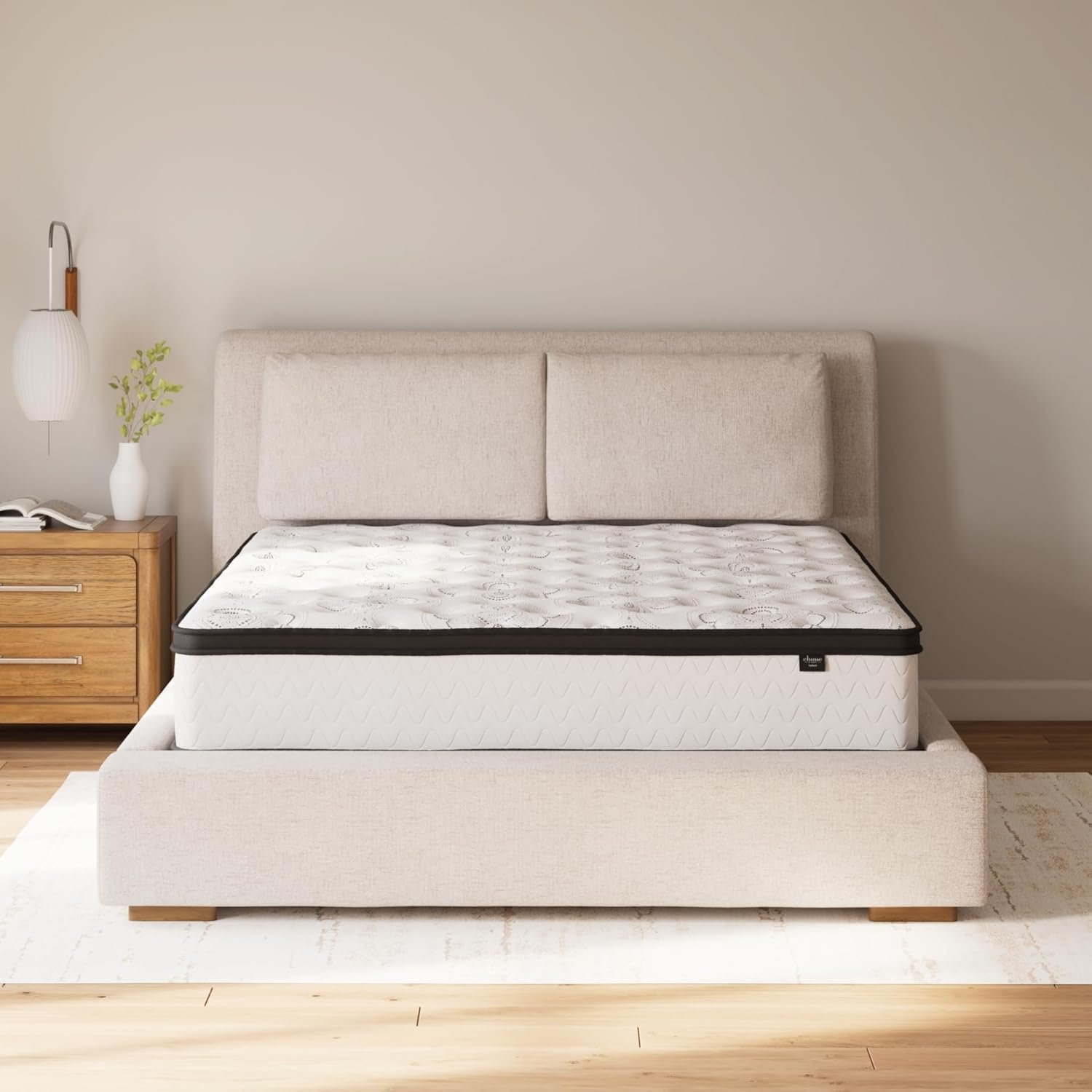
steady support
Sleep Deeper
This hybrid mattress combines gel foam and wrapped coils to reduce pressure, limit motion, and create a more stable surface for deeper, uninterrupted sleep.
Hyper Alertness: The Hidden Engine of Insomnia
Hyper alertness is a biological state where the body remains on alert. You may feel physically calm on the surface, but your inner system stays active. This happens when stress builds up over the day or when your mind stays busy with thoughts. Hyper alertness makes bedtime difficult because your body cannot fully settle. Understanding it helps you see that difficulty falling asleep is not a weakness or failure. It is a natural response to stress.
Signs of hyper alertness include:
- Warm or jittery feeling
- Racing thoughts
- Restless body
- Tension in chest or shoulders
Each of these signals creates a sense of alertness that keeps your brain engaged. Hyper alertness can continue even after the stressful event has passed because your system takes time to settle. Recognizing these signs helps you understand that sleep is blocked by internal activation, not by lack of effort. Once you learn how to calm this system, sleep becomes more accessible.
Cognitive Stress: How Thoughts Keep the Brain Awake
Thoughts play a major role in sleep. When the mind stays active, the brain continues operating in a mode that supports alertness. Even small worries or unfinished tasks can feel louder at night when the outside world becomes quiet. This cognitive stress activates the same pathways that your body uses during stressful moments in the day.
Common Cognitive Patterns That Block Sleep
Certain thought patterns are known to keep the brain awake. These patterns often happen automatically. You may not notice them at first, but they can lead to a steady buildup of cognitive tension. When your mind stays active, your system continues producing alertness signals. This process delays the natural shift into rest.
Common nighttime thought loops include:
- Overplanning the next day
- Worry about sleep
- Replaying conversations
- Stress about unfinished tasks
These patterns can feel simple, but they activate areas in the brain that are involved in problem solving and stress responses. When these areas stay active, your system remains focused, making it harder to fall asleep. Becoming aware of these patterns gives you a chance to interrupt them. Once you reduce their intensity, your mind can begin settling.
Why Cognitive Alertness Feels Worse at Night
Thoughts often feel more intense at night because there are fewer distractions. During the day, you focus on tasks, conversations, and movement. At night, the quiet environment brings your attention inward. Your mind becomes more aware of discomfort, tension, or incomplete tasks. This leads to a stronger sense of urgency, even if nothing has changed.
Factors that make nighttime thoughts feel louder include:
- Less daytime distraction
- More inward focus
- Heightened awareness of discomfort
- Fear of not sleeping
The quiet environment increases the contrast between your thoughts and the world around you. This makes stress feel larger or more intense, which can increase cognitive alertness. Understanding this pattern helps you see that your mind is not creating new problems. It is simply reacting to the silence. When you learn how to soften this reaction, night becomes more manageable.
When your thoughts get louder at night, having a simple way to offload them can make a real difference. A structured self-care journal guides you to put your worries, unfinished tasks, and tension triggers on paper before bed so they don’t follow you into the night.

your free download
Get your Sleep & Self-Care Journal Free Via Email.
It’s a practical way to break the cycle of mental buildup that fuels alertness, giving your mind a clearer runway to settle into sleep.
How Stress Disrupts the Sleep Cycle
Stress affects sleep by changing the timing of hormones, the pattern of your internal clock, and the depth of your sleep. The longer stress continues, the more these changes take hold. This section explains how these shifts influence your nights and why you may feel more tired even after hours in bed.
Cortisol Timing and Circadian Drift
Your cortisol levels follow a natural rhythm. They rise in the morning to help you wake and fall at night to help you settle. Stress disrupts this timing by raising cortisol during the evening. When cortisol remains high at night, your brain delays melatonin release. Melatonin helps your body understand that sleep is coming, so delayed melatonin can push sleep later and make nights heavy with alertness.
Stress related cortisol changes include:
- Later melatonin onset
- Delayed sleep timing
- More nighttime alertness
- Shallow early sleep
These shifts create a pattern that teaches your body to stay awake later than you intend. When this continues for many days or weeks, your internal clock begins adjusting to the later timing. This drift makes it difficult to return to your natural rhythm without intentional changes.
Effects on Sleep Architecture
Sleep architecture refers to the pattern of sleep stages throughout the night. Stress influences how deeply you sleep, how often you wake, and how restorative your sleep feels. High stress levels often lead to more time in light sleep and less time in restorative slow wave sleep. Even if you sleep several hours, you may feel unrefreshed because your body never reached deep rest.
Stress can change sleep architecture in several ways:
- Longer time to fall asleep
- More awakenings
- Less deep sleep
- Lighter REM transitions
These patterns reduce the quality of your rest and increase morning grogginess. When stress affects your sleep architecture, the issue is not only about falling asleep. It also affects how deeply you sleep once you drift off. Reducing stress helps restore deeper sleep cycles and improves how you feel during the day.
Science Based Ways to Lower Nighttime Stress
There are several gentle, practical steps you can use to help your body and mind shift into rest. These strategies reduce stress activation and guide your system toward nighttime calm. You do not need to use them all at once. Even one small shift can make a noticeable difference.
Evening Stress Off Ramp
Your brain needs time to transition out of the alert mode it uses during the day. An evening off ramp gives your system space to slow down. Without this transition, your stress response remains active and carries into bedtime. A slow, predictable shift helps your mind and body recognize that the day is ending.
Helpful off ramp steps include:
- Calming activities
- Lower lights
- Slower pace
- Limit stimulation
These steps tell your brain that it is safe to slow down. When you keep evenings gentle and consistent, your system reduces stress signals more easily. A slow transition prepares your body for nighttime rest and helps break the cycle of stress driven insomnia.
Better Nights Start Here
If you want simple support you can use tonight, our Snug Slumber YouTube channel offers science-based sleep sounds designed to lower stress activation and guide your system toward steadier rest. Each track is crafted to reduce nighttime alertness, ease mental tension, and support deeper sleep cycles, giving you an easy way to create a more restful environment.
Body Based Calming Strategies
Your body can send signals of safety to your brain. When you use physical calming strategies, your nervous system shifts away from the stress response. These cues encourage the parasympathetic system to activate, which helps your body relax. Even small sensations can reduce nighttime tension and help your system settle.
Body based calming options include:
- Soft stretching
- Slow breathing
- Gentle heat or cool
- Light sensory focus
When you use these strategies, your system receives a message that the environment is peaceful. This reduces internal activation and prepares your body for sleep. Over time, these signals help you build a consistent foundation for deeper nightly rest.
Cognitive Soothing Practices
Cognitive soothing helps your mind reduce its nighttime load. When your thoughts become calmer, your brain exits the stress response more easily. These practices work best when done before bedtime so your mind has space to settle before you get into bed.
Helpful cognitive soothing practices include:
- Pre bed worry time
- Gratitude or reflection
- Short journaling
- Let go statements
Each of these practices creates a mental pause that separates the day from the night. When your thoughts feel less urgent, your system can move from alertness to rest. These simple tools lower cognitive tension and support deeper sleep.
Snug Slumber YouTube Channel
Steady, low frequency audio can help reduce nighttime stimulation when stress feels high. The Snug Slumber YouTube channel offers gentle rain and calming soundscapes that support a softer mental pace during your wind down routine.
How to Know When Stress Is the Main Driver of Your Insomnia
Sometimes the root cause of insomnia becomes clear only when you observe your patterns. Stress driven insomnia has signs that help you understand what is happening inside your system. When you recognize these patterns, you gain insight that helps you choose strategies that match your needs.
You may notice signs like:
- Sudden or recent sleep disruption
- Busy thoughts at bedtime
- Physical tension that rises at night
- Better sleep during calm periods
These signs help you identify when stress is shaping your nights. Once you understand the cause, you can use targeted strategies to calm your system. This awareness makes your sleep journey feel less confusing and more manageable.
Wrapping Up
Stress affects sleep in several powerful ways. It activates the HPA axis, increases nighttime alertness, and shifts the timing of your internal clock. These changes make it harder for your brain and body to settle. Understanding these processes helps you see that stress based insomnia is a real biological pattern. It does not mean you lack discipline or motivation. It means your system is working in a state of alertness that simply needs time and support to unwind.
By using steady routines, calming habits, and thoughtful mental strategies, you can help your system move from alertness to rest. Each step you take sends signals of safety and calm. Over time, evenings begin to feel quieter and more predictable. These small choices help your nights become steadier, making rest feel more accessible and less stressful.