

Orthopedic Pillows for Better Sleep
When you struggle with insomnia, even small discomforts can feel amplified at night. You may lie down feeling tired, but neck tension or awkward pillow support creates strain that keeps you alert. Many adults with insomnia notice that their mind becomes more focused on physical sensations once the lights go out. And a slight ache in the neck or a pillow that feels too high can make settling into sleep feel harder. These physical triggers raise alertness and also increase nighttime awakenings, creating a cycle where tension and poor sleep reinforce each other.

Orthopedic pillows do not treat insomnia, but they help reduce physical discomfort that interferes with your ability to relax. In fact, a supportive pillow helps promote alignment, reduce muscle tension, and improve breathing comfort. These physical improvements make it easier to follow the behavioral steps in CBT-I. The right pillow can also helps your body settle into your sleep window with fewer disruptions. This article explores the science behind how orthopedic pillows support neck alignment, comfort, and sleep quality.
How Neck Alignment Shapes Sleep
Your neck position affects muscle activity, nerve comfort, and breathing ease throughout the night. When the neck falls out of alignment, the muscles around the shoulders, spine, and jaw must work harder to support the head. This extra tension also increases nighttime alertness and contributes to insomnia.
Neutral Cervical Position and Muscle Relaxation
A neutral cervical spine also means your neck is aligned in a straight, natural posture without tilting forward, backward, or to the side. Pillows that are too high or too flat create strain on neck and shoulder muscles. As a result, these muscles then stay active when they should be relaxing, which increases the chance of micro-arousals during sleep.
Neutral alignment has many benefits, including:
- Reduces strain on neck muscles
- Lowers tension in shoulders
- Supports a relaxed upper back
- Helps reduce nighttime discomfort
A neutral position allows muscles to rest, which reduces physical arousal. Less tension means fewer signals to your brain that something feels uncomfortable. This supports the transition into sleep and helps you stay asleep longer.
Airway Alignment and Breathing Comfort
Your pillow also influences breathing comfort. When the neck bends too far forward or backward, it narrows the airway. This can make breathing feel less smooth and increase nighttime discomfort. On the other hand, a well-designed orthopedic pillow supports a gentle lift without forcing the neck into an extreme angle.
Advantages include:
- Prevents airway collapse
- Improves nasal comfort
- Supports calm breathing
- Reduces snoring intensity
Breathing comfort is an important factor in nighttime calm. When airway alignment feels natural, your body can relax more easily during your sleep window.
Nerve Pathway Comfort
Nerves run through the neck, shoulders, and upper back. When poor alignment or pressure affects these nerves, tingling or numbness may occur. These sensations cause alertness and lead to frequent waking. Orthopedic pillows support a stable position that reduces nerve compression.
Comfort benefits include:
- Reduces nerve compression
- Lowers tingling sensations
- Supports steady circulation
- Prevents unnecessary awakenings
Reducing nerve sensitivity helps improve sleep continuity. When nerves stay comfortable, your body receives fewer signals that disrupt rest.
Tracking when discomfort shows up can help you understand what triggers nerve sensitivity at night. A self-care journal gives you space to note tingling, pressure, or alignment issues as they happen so you can spot patterns and make clearer adjustments to your routine.

your free download
Get your Sleep & Self-Care Journal Free Via Email.
Writing these details down helps you identify what improves your comfort and reduces the signals that keep your body alert, making it easier to build nights that feel more consistent and restorative.
Effects of Pillows on Sleep Quality
Orthopedic pillows influence how the body settles into rest. Adults with insomnia often notice discomfort more intensely than others. This section explains how pillow design shapes physical comfort and supports deeper sleep.
Pressure Relief for Side and Back Sleepers
Different sleeping positions require different types of support. Side sleepers need space for the shoulder and proper height to keep the neck aligned. Back sleepers need a gentle elevation that supports the curve of the neck without pushing the head forward.
Pressure relief benefits include:
- Side sleepers need shoulder space
- Back sleepers need gentle elevation
- Reduces neck tilt
- Supports spinal alignment
Proper support reduces strain and supports comfort across the night. When the body feels stable, sleep feels easier and less disrupted.
How Adjustable Fill Improves Comfort
Pillows that can adjust allow you to remove or add filling to create your preferred height and firmness. This flexibility makes it easier to customize support. Personal comfort varies, and adjustable fill helps you experiment with small changes until you find the best match.
Adjustable pillow advantages include:
- Allows height customization
- Helps balance firmness
- Reduces pressure buildup
- Supports personal preference
These designs help you find a balance between softness and support. When you feel in control of your comfort, your nighttime routine feels easier to manage.
Cooling Materials and Temperature Stability
Heat buildup around the head and neck increases nighttime arousal. Cooling pillows help reduce heat retention and improve airflow. Breathable covers and cooling gel materials help stabilize temperature and reduce sweating during the night.
Cooling pillow advantages include:
- Improves airflow
- Reduces heat retention
- Supports steady comfort
- Helps prevent awakenings
Temperature stability supports deeper rest. A cooler sleep surface helps your body stay in a calmer state during the night.
Science of Neck Alignment and Sleep
Scientific research shows that neck posture and pillow height influence muscle activity, airway comfort, and overall sleep quality.
What Studies Show About Pillow Height and Neck Pain
Research demonstrates that pillow height affects neck muscle activity. Too much elevation or too little support increases strain. Conversely, adults who use properly fitted pillows often report lower morning pain scores and better sleep quality.
Study findings include:
- Lower pain scores
- Better spinal alignment
- Improved comfort ratings
- Better morning function
Reduced discomfort supports uninterrupted sleep, which is important for adults following CBT-I routines.
Studies on Pillow Material and Breathing Ease
Pillow material influences airflow around the head and neck. Memory foam supports steady alignment. Down alternatives improve airflow. Hybrid pillows provide a balance of both qualities.
Material effects include:
- Memory foam supports stability
- Down alternatives support airflow
- Hybrid pillows balance both
- Stable breathing reduces awakenings
Breathing ease reduces nighttime arousal and supports emotional calm as you enter your sleep window. This study highlights the importance of selecting a pillow that supports natural alignment and minimizes muscle strain. These improvements can help reduce nighttime discomfort and lead to steadier sleep, too.
When an Orthopedic Pillow Helps Most
Pillows help most when physical discomfort contributes to nighttime hyperarousal. Improving comfort helps reduce tension and supports better sleep continuity.
Neck Tension Prevents You From Settling
Neck tension increases alertness and makes it harder to fall asleep. A supportive pillow helps relax muscles that hold stress from the day.
Some of the benefits include:
- Calms muscle tightening
- Reduces neck strain
- Supports smooth positioning
- Helps you settle faster
Reducing muscle tension helps prepare your body for rest and supports your sleep window.
You Wake Up with Stiffness or Pain
Pain and stiffness increase nighttime arousal. When discomfort wakes you, it is harder to return to sleep. A supportive pillow reduces pressure on sensitive areas.
Pillow benefits for pain reduction include:
- Reduces nerve irritation
- Lowers muscle guarding
- Relieves pressure
- Supports morning comfort
Less pain encourages longer sleep periods and reduces nighttime stress.
Heat or Sweating Wakes You
If your pillow traps heat, it can wake you during the night. Cooling pillows support airflow and create a more stable temperature environment.
Cooling benefits include:
- Cooling materials reduce heat
- Breathable covers help stability
- Consistent airflow prevents sweating
- Helps maintain sleep
Reducing nighttime heat helps your body stay in a calmer state, which supports sleep efficiency.
How to Choose the Right Orthopedic Pillow
Choosing a pillow requires understanding your sleep position, preferred firmness, and temperature needs.
Height and Firmness for Your Sleep Position
Different sleep positions require specific support to maintain alignment.
Suggestions include:
- Side sleepers need higher loft
- Back sleepers need medium loft
- Stomach sleepers need very low loft
- Firmness influences support
Matching pillow height to your sleep style helps prevent unnecessary strain.
Adjustable Options for Personal Fit
Adjustable pillows allow you to fine tune comfort. To that end, you can experiment with fill height and firmness to find a stable, supported position.
Some of the advantages include:
- Remove or add fill
- Balance softness and firmness
- Reduce pressure points
- Adjust for posture changes
Adjustability helps you maintain comfort even as your sleep preferences change. Finding the right orthopedic pillow becomes much easier when you match the design to your specific sleep needs. Whether you run warm, struggle with neck tension, want fully customizable firmness, or prefer soft, low-profile comfort, each of the pillows below solves a different problem.
Choose Your Perfect Pillow
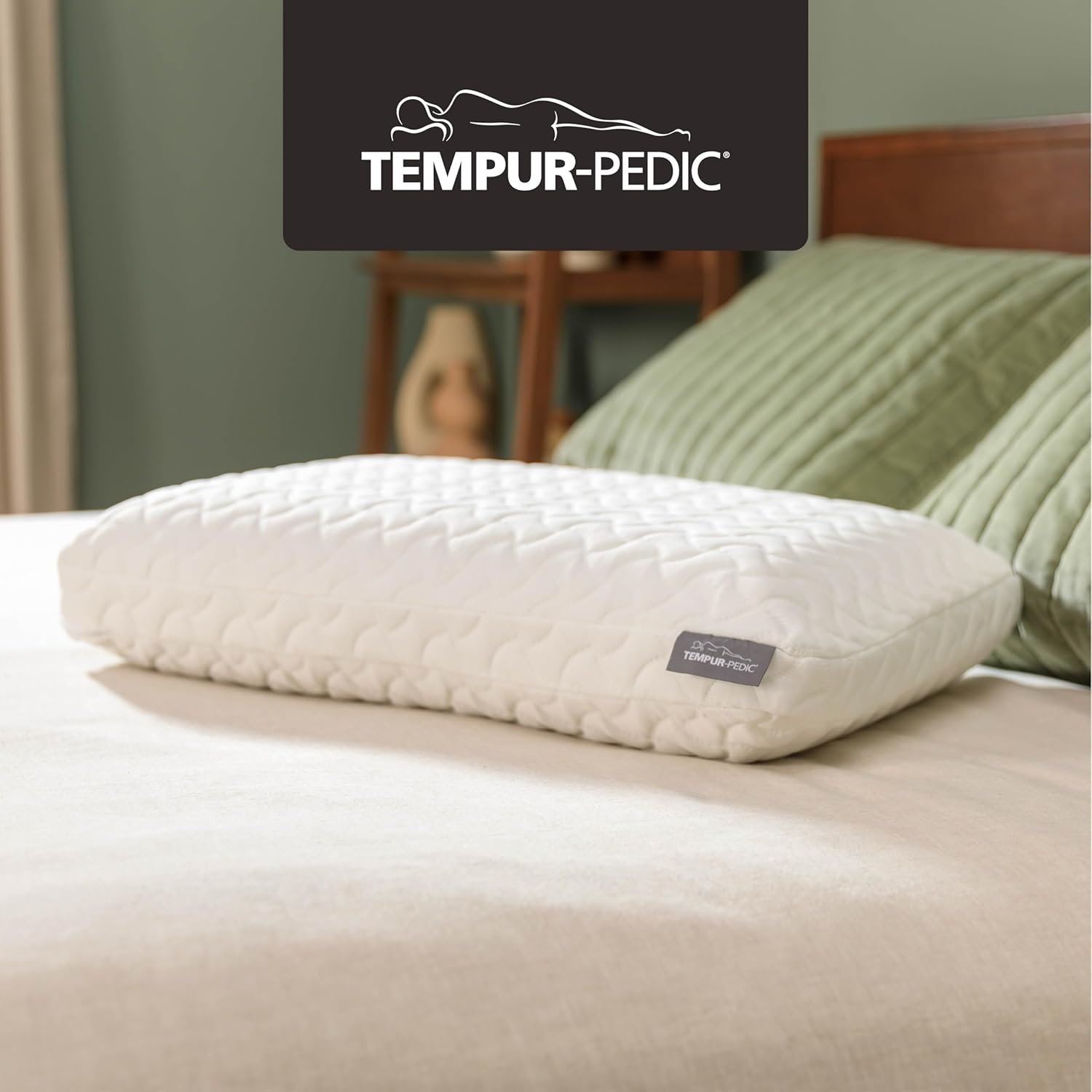
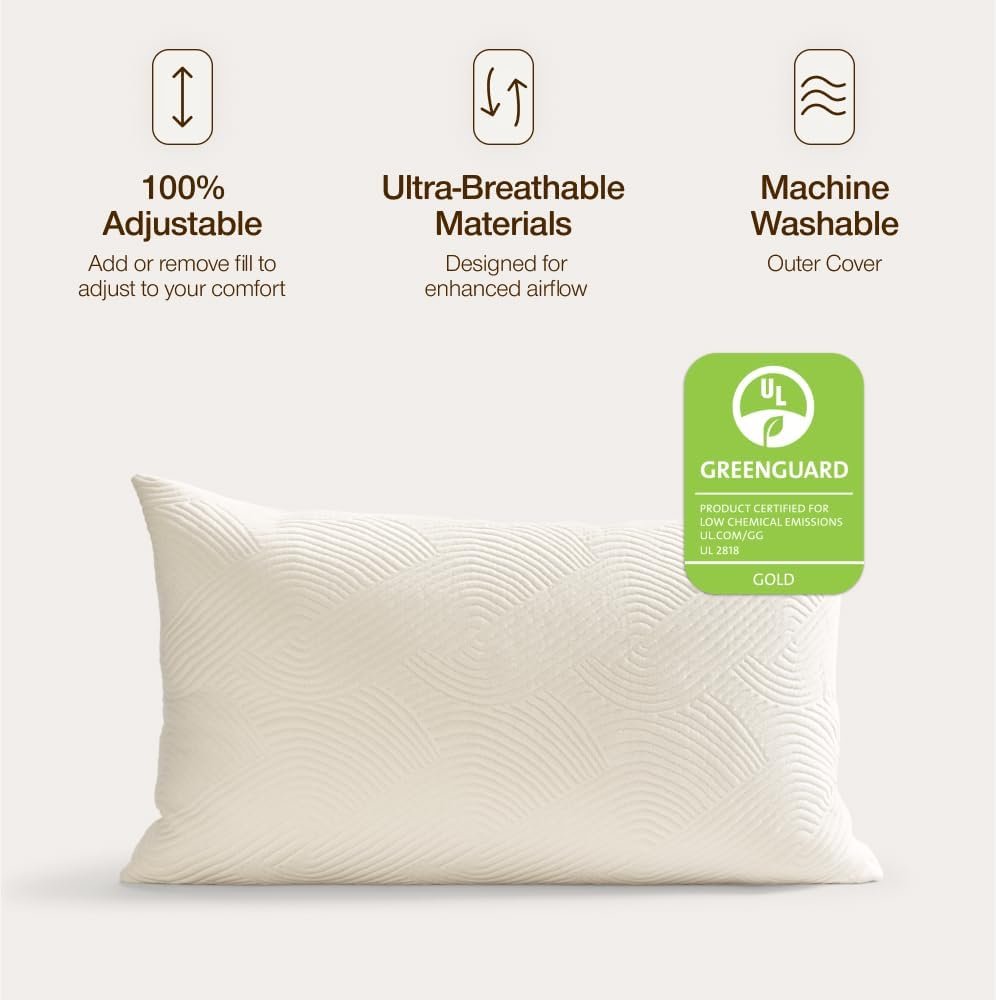
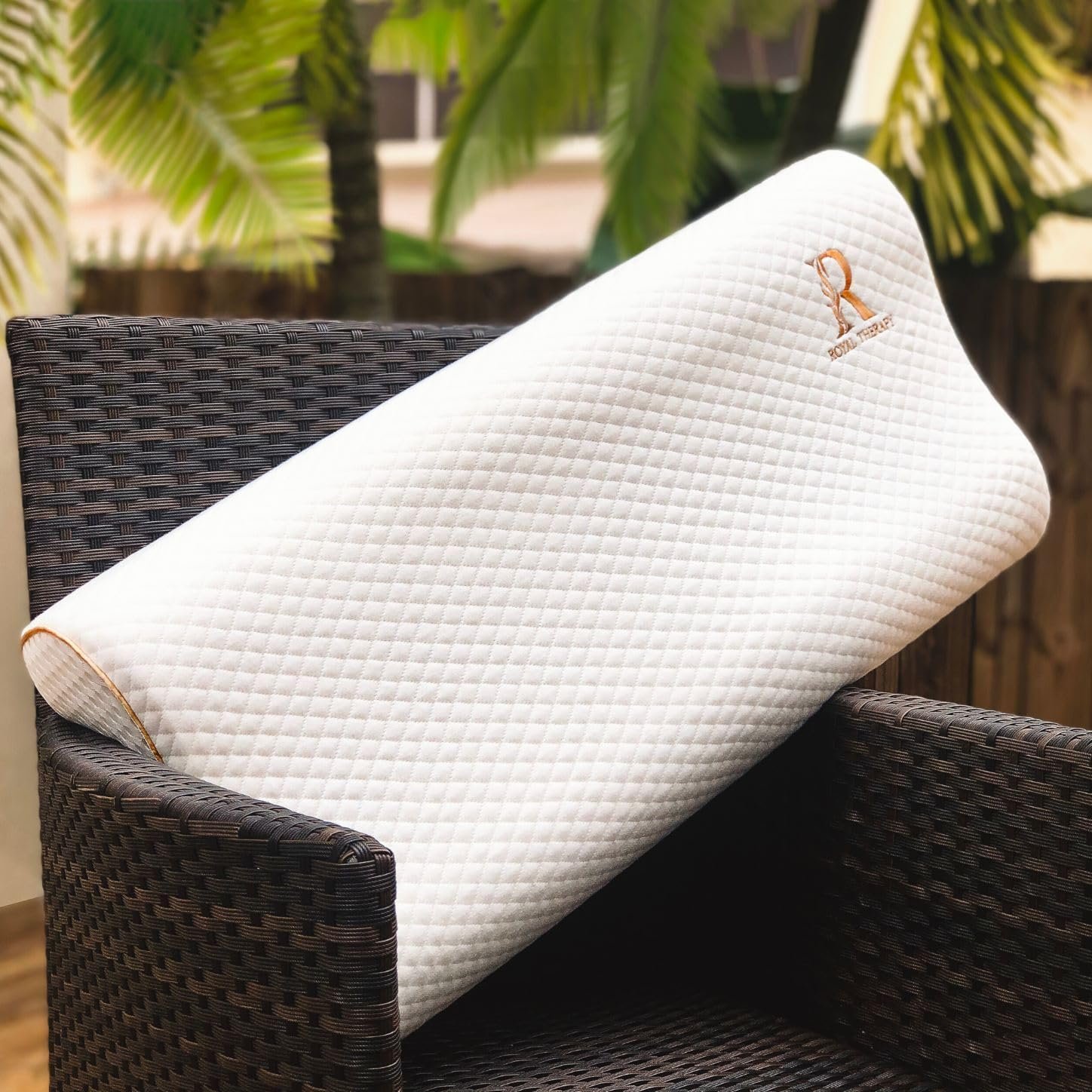
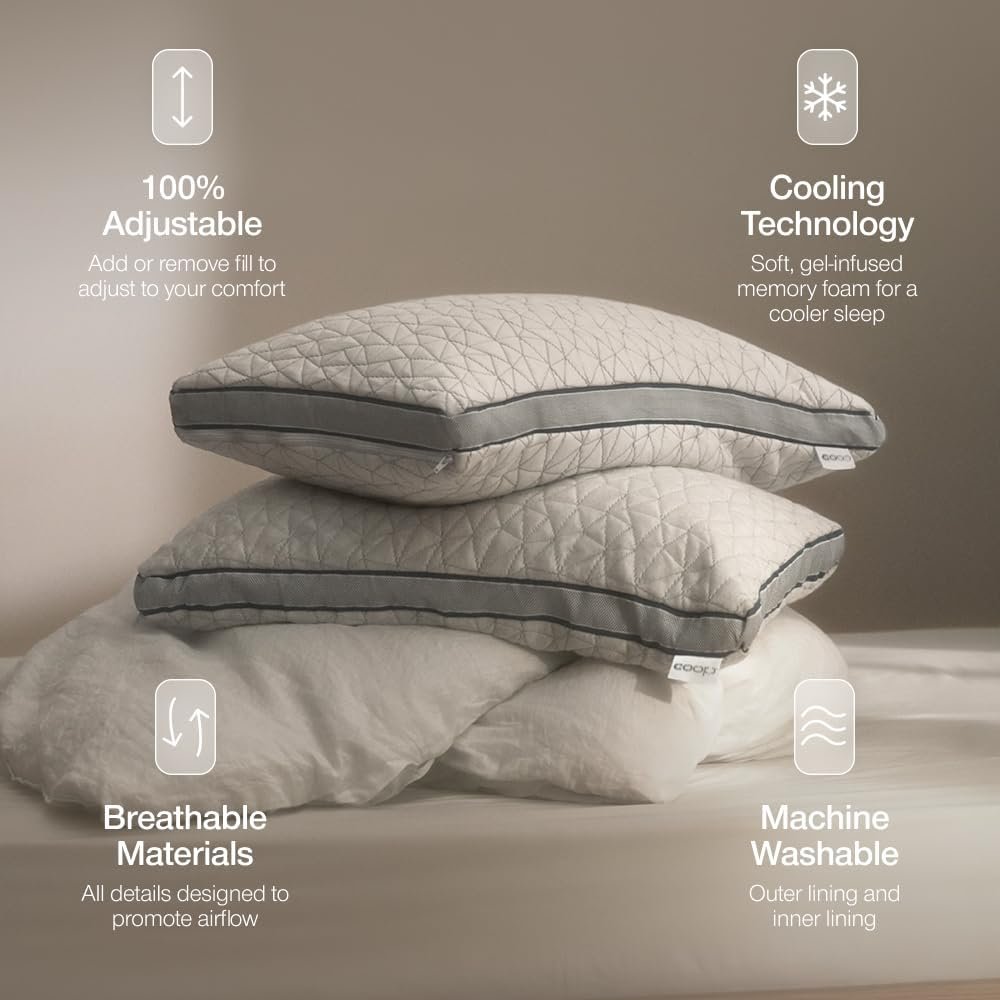
Select the one that aligns with your sleep position and support needs can reduce strain, stabilize your alignment, and make your nights noticeably more comfortable.
Materials Make a Difference
Material choice affects comfort throughout the night. Breathable materials keep you cooler, and structured materials offer more support.
In general, remember these material benefits when choosing your pillow:
- Gel memory foam cools
- Down alternatives breathe well
- Latex maintains firmness
- Hybrid designs balance both
Choosing the right material helps minimize physical triggers that disrupt sleep.
CBT-I Alignment: Why Pillows Support Behavioral Change
Orthopedic pillows support CBT-I by reducing physical discomfort so the brain can respond more smoothly to behavioral interventions.
Pillows and the Sleep Window
Comfort helps you settle more easily during your assigned sleep window. When your neck feels supported, your body can focus on entering rest. Get these benefits and more:
- Fewer repositioning attempts
- Less frustration
- Lower nighttime stress
- Better sleep efficiency
Comfort makes behavioral routines easier to follow.
Pillows and Stimulus Control
Stimulus control retrains the brain to connect the bed with sleep. And a comfortable pillow helps remove physical triggers that cause alertness.
Stimulus control support includes:
- Less physical discomfort
- Fewer wakeful thoughts
- Reduced alertness
- Stronger bed-sleep connection
Physical comfort reinforces the behavioral principles behind CBT-I.
Snug Slumber YouTube Channel
Orthopedic pillows help reduce tension and improve comfort during your sleep window by supporting proper alignment and easing pressure points. When your body feels more settled, it becomes easier to follow your sleep schedule without the restlessness that pulls you out of rhythm. For added support, visit the Snug Slumber YouTube channel for calming sleep sounds that help quiet your environment and guide you into a steadier nighttime routine.
Wrapping Up
Orthopedic pillows help reduce neck strain, improve alignment, and support calmer breathing patterns. These physical improvements help reduce nighttime tension and support better sleep continuity for adults with insomnia, too. A pillow cannot treat insomnia, but it removes physical barriers that make falling asleep and staying asleep more difficult.
Choose a pillow based on alignment, comfort, and airflow. When you match your sleep style with the right support, your nighttime experience improves. Combined with CBT-I routines, the right pillow helps create an environment that supports steady rest and long-term recovery. Check out the sleep shop for more products to create your perfect sleep sanctuary.
Better Sleep Support
Restorative sleep becomes possible when you know how to support your body, not fight against it. Join the Snug Slumber newsletter for clear, compassionate, science-based steps that help ease nighttime discomfort and reduce the restlessness that wakes you. You’ll also learn how orthopedic pillows play a meaningful role in better sleep by keeping your spine aligned and reducing the tension that rises during the night.