

Circadian Rhythm And Insomnia
A Simple Science-Based Guide to Getting Back in Sync
Are you feeling tired at the wrong times? Do you might lie awake long past your bedtime or wake feeling groggy even after what seems like enough hours in bed? These shifts often feel random or unpredictable, but, according to sleep research from the National Institutes of Health, they have a clear biological cause. Your circadian rhythm, the internal 24 hour clock that guides your sleep and wake cycles, may be out of sync with your daily life. When this rhythm drifts, your brain and body send mixed signals that make sleep harder to start and harder to maintain.
Understanding the bilogy helps you see why insomnia shows up and why timing plays such a major role in how rested you feel. You also begin to understand that your sleep challenges are not signs of weakness or failure. They are responses from a rhythm that depends on clear signals and steady routines. This article gives you a deeper look at how your circadian system works, why it becomes misaligned, and the science based steps you can take to guide it back into balance.
Understanding Your Circadian Rhythm
Your circadian rhythm follows a natural repeating cycle that takes place roughly every 24 hours. This rhythm is controlled by a small group of cells in your brain called the suprachiasmatic nucleus, or SCN. The SCN coordinates the timing of important biological functions, including melatonin release, body temperature changes, digestion patterns, and the rise and fall of your alertness. When the SCN receives the right signals, your rhythm stays stable. When the signals become inconsistent, your rhythm drifts, and insomnia becomes more likely.
What Controls Your Circadian Rhythm
Your internal clock depends on clear environmental cues, also known as zeitgebers. These cues tell your brain what time it is so your rhythm can stay aligned with day and night patterns. Light is the strongest cue, but timing of meals, activity, temperature, and routines also influence your rhythm. When your brain receives these cues consistently, it helps your body prepare for wakefulness in the morning and rest in the evening.
Main circadian cues include:
- Morning light exposure
- Evening darkness
- Meal timing
- Regular activity patterns
- Consistent sleep schedules
These cues work together to stabilize your rhythm. When they conflict, your internal clock becomes confused. You may feel wide awake late at night or sleepy during the day. Over time, misaligned cues weaken your rhythm and make insomnia feel more stubborn.

your free download
Get your Sleep & Self-Care Journal Free Via Email.
How Circadian Misalignment Causes Insomnia
Circadian misalignment happens when your internal rhythm no longer matches your daily schedule. This often occurs after late nights, inconsistent bedtimes, long naps, evening screens, shift work, travel, or prolonged stress. Your SCN depends on predictable patterns; when those patterns drift, the timing of melatonin release, core body temperature changes, and natural alertness levels also shift.
Signs of circadian misalignment include:
- Feeling sleepy at random times
- Alertness late at night
- Difficulty waking up
- Low energy in the morning
These patterns show that your rhythm is out of sync, not that sleep is impossible for you. A misaligned rhythm sends the wrong biological signals at the wrong times. When melatonin rises too late and your temperature stays too high at bedtime, your body struggles to settle. Understanding these signals gives you a clearer sense of what needs adjustment so sleep can become more predictable again.
Common Causes of a Disrupted Circadian Rhythm
Daily habits influence your internal clock more than most people realize. Your circadian rhythm responds strongly to timing. When cues occur earlier or later than usual, your rhythm shifts. Even small changes can push your rhythm forward or backward, making it harder for your brain to know when rest should begin. Looking at your daily habits helps you understand which patterns support your sleep and which ones may be harming it.
Evening Light Exposure
Light plays the biggest role in shaping your circadian rhythm. Light signals daytime to your brain, and darkness signals night. Exposure to bright or blue toned light in the evening suppresses melatonin, which delays your rhythm and makes you feel alert when you want to feel tired. Screens, overhead lighting, and nighttime work all send daytime messages to the SCN, confusing your internal timing.
Common sources of evening light include:
- Screens close to bedtime
- Bright indoor lighting
- Late night work
- TV or device glare
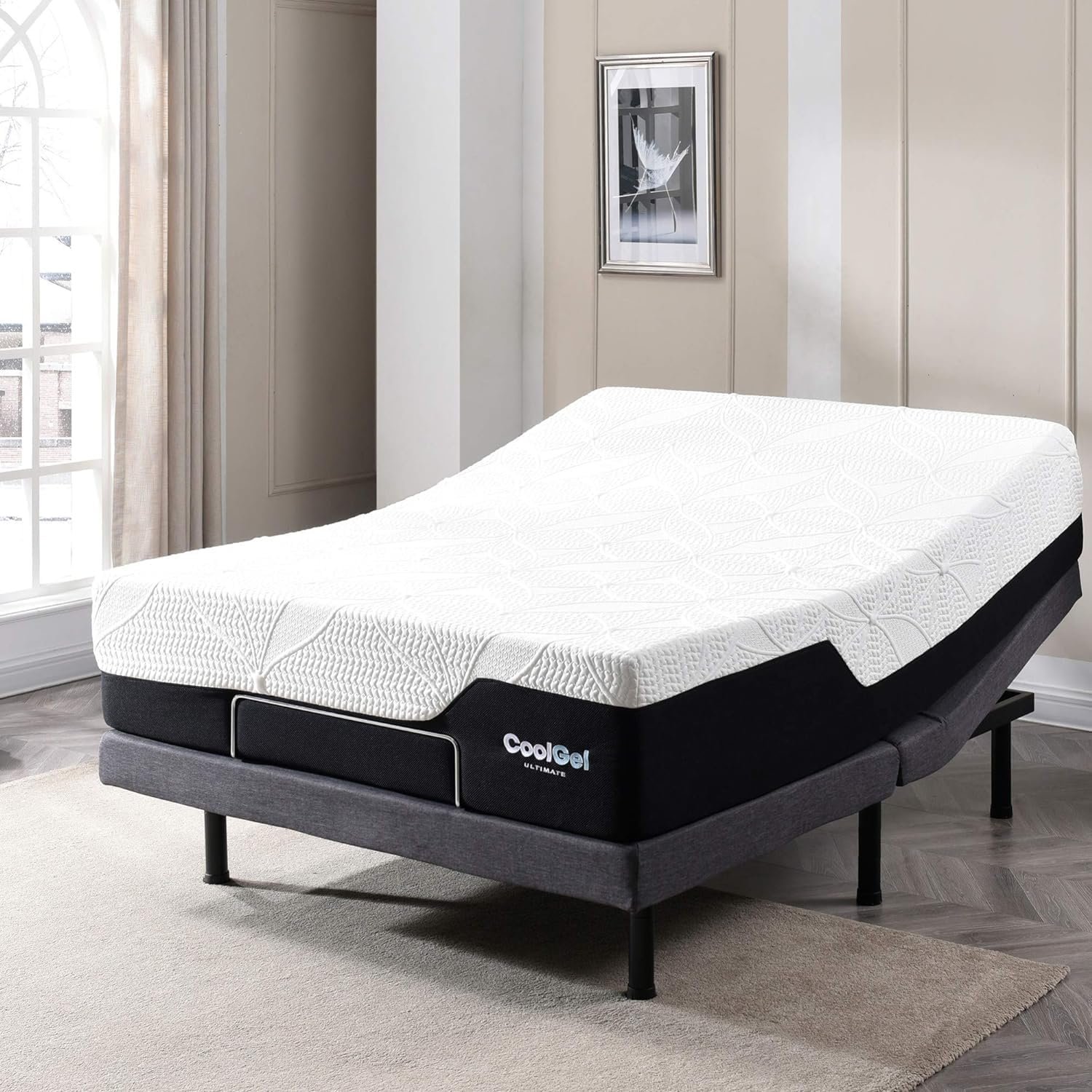
Reducing evening light helps your rhythm reset itself. Softer lighting, screen limits, and gentle activities give your brain a clearer sense that nighttime is beginning. These small changes help your body prepare for rest at a more natural pace. Other environmental factors are important, too. Visit our sleep shop for proven tools that combat insomnia. One of our favorites? This mattress for hot sleepers!
cooler nights
For Better Sleep
Beat nightly overheating with a mattress designed for airflow, steady temperature balance, and real relief so you stay comfortable until morning.
Irregular Sleep and Wake Times
Your circadian rhythm thrives on consistency. When your bedtime or wake time changes often, your internal clock loses its anchor. This makes it harder for your brain to predict when it should release melatonin, when your temperature should fall, or when your alertness should fade.
Patterns that confuse your rhythm include:
- Staying up late on weekends
- Sleeping in to “catch up”
- Changing bedtime frequently
These shifts may seem harmless, but even a one-hour difference can push your rhythm forward or backward. Keeping your timing steady strengthens your signals and helps your brain settle more easily at night.
Lifestyle Patterns That Shift Your Clock
While light and timing play major roles, lifestyle habits also affect your circadian rhythm. Your brain responds to the timing of meals, caffeine, exercise, stress, and stimulation. When these activities occur too late, they can push your rhythm forward or delay your natural readiness for sleep.
Lifestyle patterns that shift your rhythm include:
- Heavy meals late at night
- Late workouts
- Afternoon caffeine
- High stimulation evenings
Keeping these activities earlier in the day helps your internal clock run more smoothly. When your brain receives earlier signals, it prepares your body for rest at a healthier time.
Science-Based Ways to Reset Your Circadian Rhythm
The good news is that your circadian rhythm responds well to steady habits. You do not need complicated routines or extreme changes. Simple, predictable cues help your brain anchor your rhythm to healthier timing. These strategies work together to strengthen your internal clock and reduce insomnia.
Morning Light Exposure
Morning light is the most powerful tool for resetting your circadian rhythm. When bright light enters your eyes soon after waking, your brain marks that moment as the start of your daily cycle. This helps your SCN adjust the timing of melatonin release, temperature changes, and alertness for the rest of the day.
Helpful ways to get morning light include:
- Go outside soon after waking
- Look toward natural light
- Open blinds when you get up
- Keep daytime lighting bright
These steps help your brain establish a strong anchor point for your cycle. Over time, your rhythm becomes more consistent, and your sleep becomes easier to predict.
Evening Wind-Down Routine
Your body needs support as it shifts from daytime alertness into nighttime rest. A calming wind-down routine helps your brain lower stimulation and release melatonin at the right time. When you build a soothing pattern each evening, your circadian rhythm becomes stronger and more reliable.
You can create a helpful evening routine with:
- Softer lighting
- Calmer evening activities
- Reduced screen time
- A slower, more relaxed pace
These steps help your brain ease into a quieter state. When your evenings follow a calmer pattern, your body receives clearer messages that it is safe to let go of the day and move toward rest.
Consistent Bedtime and Wake Time
Consistency is one of the most effective ways to realign your circadian rhythm. When you go to bed and wake up at the same time each day, your internal clock strengthens. This alignment helps your body predict when to feel tired and when to feel awake, reducing insomnia and supporting deeper rest.
Supportive consistency includes:
- Same bedtime daily
- Same wake time daily
- Predictable evening rhythm
When these patterns remain stable, your brain begins to trust the timing. And over time, your rhythm becomes more aligned with your schedule, which makes evenings calmer and mornings easier.
Circadian Rhythm Reset Worksheet
This worksheet helps you guide your circadian rhythm back into balance. Use it every day for at least two weeks. Remember, small patterns make a big difference. You do not need perfection. You only need consistency and awareness. Fill out each section without pressure.
1. Morning Light Exposure Log
Morning light anchors your internal clock. Track your light habits here.
Date: _________________________
Wake Time: ___________________
Did you go outside within 30 minutes of waking?
☐ Yes
☐ No
Time you first went outside: _______________________
Minutes spent in natural light:
☐ 1–5
☐ 5–10
☐ 10–15
☐ 15–30
☐ 30+
Notes:
2. Evening Light and Stimulation Checklist
Low-light evenings help your brain release melatonin. Check off what you completed tonight.
Date: _________________________
☐ Lights dimmed at least 1 hour before bed
☐ Screens off at least 60 minutes before bed
☐ Calming evening activities only
☐ No heavy meals within 3 hours of bedtime
☐ No late exercise
☐ Bedroom lights kept low
☐ Reduced noise and stimulation
☐ Slowed evening pace
Notes on what helped or made it harder:
3. Sleep Timing Consistency Chart
Your internal clock needs clear timing. Track your schedule to build steadier patterns.
Target Bedtime: ____________________
Target Wake Time: __________________
|
Date |
Bedtime |
Wake Time |
Consistency |
|
☐ A ☐ B ☐ C | |||
|
☐ A ☐ B ☐ C | |||
|
☐ A ☐ B ☐ C | |||
|
☐ A ☐ B ☐ C | |||
|
☐ A ☐ B ☐ C | |||
|
☐ A ☐ B ☐ C | |||
|
☐ A ☐ B ☐ C |
A = Strong B = Moderate C = Low
How consistent was this week overall?
☐ Very consistent
☐ Somewhat consistent
☐ Not consistent yet
4. Circadian Disruptors Awareness Sheet
These habits can shift your internal clock. Use this sheet to identify your patterns.
Date: _________________________
Caffeine Timing:
☐ None today
☐ Before noon
☐ Afternoon
☐ Late afternoon
Meal Timing:
☐ Dinner at least 3 hours before bed
☐ Dinner within 3 hours of bed
☐ Late night snacking
Exercise Timing:
☐ Morning
☐ Afternoon
☐ Early evening
☐ Late evening
Stress Level Today:
☐ Low
☐ Moderate
☐ High
Evening Pace:
☐ Calm
☐ Mixed
☐ Fast and stimulating
Bedroom Conditions:
☐ Cool temperature
☐ Dark space
☐ Quiet environment
☐ Steady white noise
Notes:
5. Weekly Reflection Prompts
This section helps you understand patterns and progress.
What helped your rhythm stay steady this week?
And what made sleep feel harder or more disrupted?
Finally, what one small change will you try next week?
How did you feel overall?
☐ Much better
☐ Some improvement
☐ No change yet
☐ More difficult
6. Two-Week Progress Review
Fill this out at the end of two weeks.
Energy in the morning now feels:
☐ Improved
☐ Somewhat better
☐ The same
☐ Worse
Evening alertness now feels:
☐ Lower
☐ Somewhat lower
☐ The same
☐ Higher
Sleep timing now feels:
☐ More predictable
☐ Somewhat improved
☐ Up and down
☐ Unpredictable
What worked best for me:
What still needs attention:
One commitment I will keep going forward:
Wrapping Up
Circadian rhythm disruptions are one of the most common causes of insomnia. When your internal clock becomes misaligned, your body and mind receive signals at the wrong times. As a result, this makes falling asleep and staying asleep much harder. Understanding how your rhythm works helps you see why insomnia appears and how small timing shifts contribute to nighttime frustration.
Your circadian rhythm can recover with gentle, consistent habits. Morning light, calmer evenings, predictable routines, and steady sleep times all help guide your rhythm back toward balance. These steps do not require perfection. They simply require a pattern your brain can learn from. And with time, your rhythm becomes stronger, your nights become easier, and your sleep becomes more dependable.