Brown Noise for Sleep
Brown noise has become one of the most talked about sleep tools for adults who struggle with nighttime restlessness. You may have seen people use it during deep work, focus sessions, or relaxation. Many adults now use brown noise during the night to help reduce sudden disruptions, calm racing thoughts, or support a steady environment that feels safe and predictable. As the interest grows, so does the question of what brown noise actually does and why it may help.
This article explains the science behind how brown noise works, how it interacts with the brain, and what current research suggests about its ability to support sleep. You will learn what makes brown noise different from white noise, how low frequency sound influences nighttime arousal, and when it can be most helpful. You will also learn how to use brown noise as part of a supportive nighttime routine that fits the needs of adults dealing with insomnia.
What Brown Noise Is and How It Works
Brown noise has a unique sound profile that sets it apart from other sound tools. While many people are familiar with white noise, brown noise has a deeper quality that can feel more soothing, less sharp, and easier for the mind to follow. Understanding these differences helps you decide whether this type of sound may support your sleep.
Brown noise covers a wide range of deep, low frequency patterns, and each one can offer a slightly different type of support depending on what your system responds to. Many adults with insomnia are not sure where to start because brown noise is a category, not a single sound.
Brown Noise Examples
Having clear examples makes it easier to test what feels calming and what blends best into your environment. These examples show how different forms of brown noise create a unique texture that some people find especially steady and grounding.
Common examples of brown noise include:
- Deep fan rumble that sounds smooth and low
- Steady airplane cabin hum without pitch changes
- Fireplace vibration heard from a distance
- Soft mechanical drone similar to a slow engine idle
These examples share the same qualities. They are continuous, low, and stable without bright frequencies. This makes them ideal for adults who feel overstimulated by high tones or find white noise too sharp. Exploring different versions helps you find the specific sound that fits your nighttime environment and reduces the tension that often increases when the room becomes too quiet.
Finding the right brown noise is one part of creating a steadier sleep environment. The other part is reducing the physical disruptions that can keep your system alert even when the sound is consistent.
snug support
Memory Foam Mattress
This gel memory foam mattress reduces heat buildup and pressure points, helping your body stay settled so brown noise can support deeper nighttime rest.

A mattress that manages heat, pressure, and movement helps your body settle so the low, steady texture of brown noise can have a stronger effect on your nights.
Understanding Brown Noise
Brown noise is a type of sound that contains stronger energy in the lower frequencies. These deeper tones create a fuller and softer sound than white noise. White noise spreads energy evenly across all frequencies, which makes it sound bright and sharp. Brown noise shifts that energy downward, reducing higher pitches and increasing the sound’s depth. This creates a smooth quality that many adults find calming.
Brown noise characteristics include:
- Lower frequency range
- Deeper sound profile
- Less sharpness than white noise
- More consistent and smooth
These qualities give brown noise a stable feel that can be easier on the ears, especially for adults sensitive to high pitched or bright sounds. When a sound feels more natural and gentle, the brain is more likely to accept it as part of the background, which helps support a quiet mental environment at night.
How Brown Noise Affects the Brain
Sound influences the brain through the auditory system, and steady sound can create a predictable sensory environment. Brown noise helps reduce sudden changes in background noise, which can cause the brain to become alert. When a sound remains stable, the nervous system does not need to track or interpret new information. This helps reduce the activation that makes sleep more difficult.
Brown noise can:
- Reduce external noise interruption
- Create a predictable auditory environment
- Help regulate attention
- Support sensory stability
These effects work together to help the nervous system stay calmer as you prepare for sleep. When the environment feels steady and safe, the brain can shift away from scanning for threats and toward relaxation. This helps lower nighttime arousal and supports deeper rest.
As brown noise helps stabilize the auditory environment, your sleep also depends on how steady your sleep surface feels. Even with consistent sound, motion, pressure shifts, or heat buildup can keep your system alert.
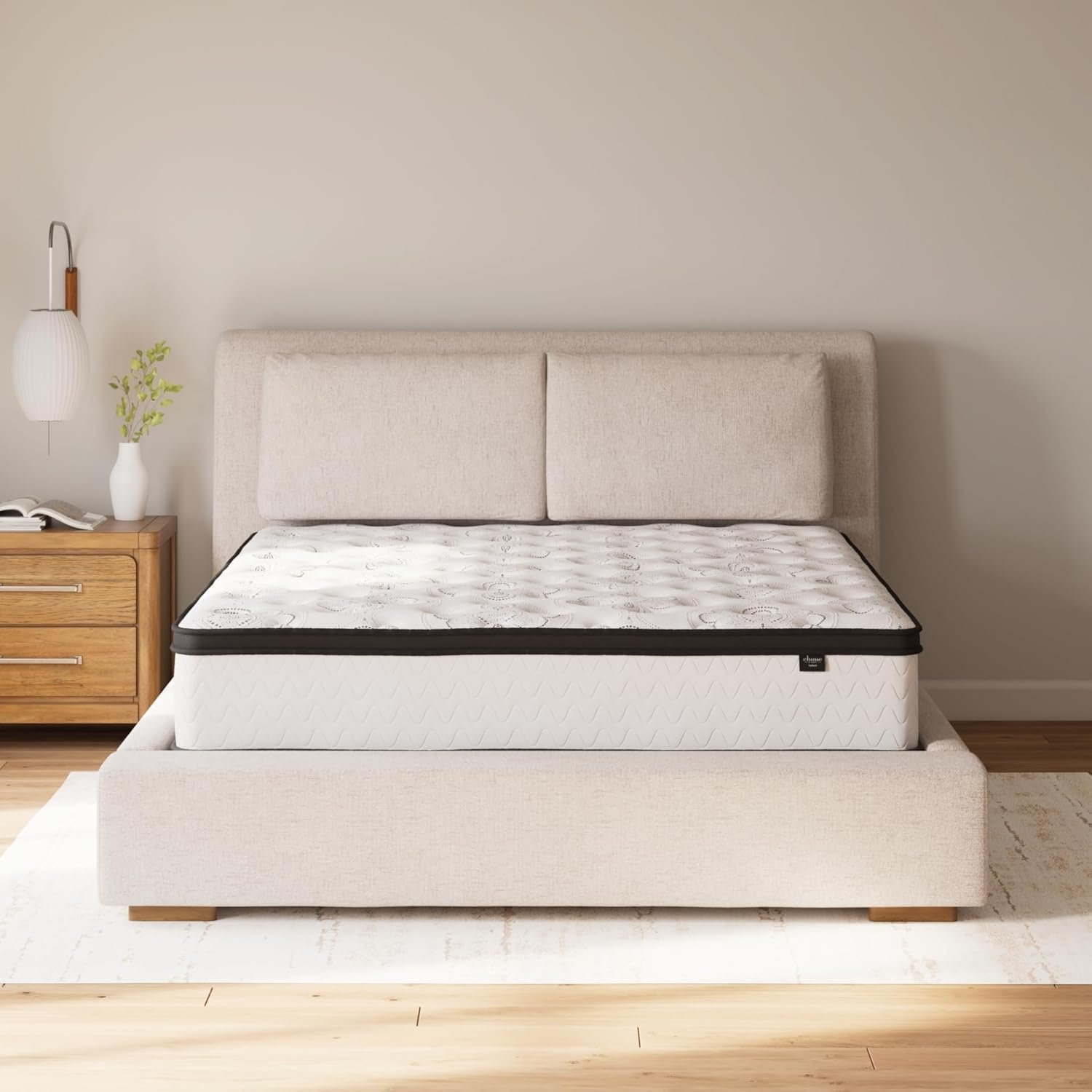
rest easy
Balanced Comfort
With wrapped coils and breathable foam, this hybrid mattress limits motion and maintains airflow, creating a stable environment brown noise can enhance all night.
Pairing brown noise with a mattress that minimizes movement and maintains comfortable support gives your brain fewer signals to track, making it easier for these low-frequency sounds to do their job.
The Science Behind Brown Noise and Sleep
The science of sound and sleep focuses on predictability, sensory masking, and how the brain responds to a continuous auditory backdrop. Research continues to grow, and early findings show meaningful benefits for adults who struggle with noise sensitivity, racing thoughts, or environmental disruptions.
Why Stable Sound Helps Sleep
The brain prefers predictable patterns. When noises vary in volume or intensity, the auditory system triggers alertness to help you stay aware of potential changes in your environment. This protective reaction becomes a problem when you want to sleep. Even small sounds can trigger a response that delays or disrupts rest.
Stable sound helps by:
- Reducing reactivity to background noise
- Lowering nighttime alerting
- Protecting light sleepers
- Supporting continuous sleep cycles
These benefits help reduce sleep fragmentation, which is a major source of exhaustion for adults dealing with insomnia. The more steady your auditory environment becomes, the less often your brain pulls you out of rest.
What Studies Show About Brown Noise
Studies exploring low frequency noise show promising results for supporting relaxation and reducing nighttime arousal. While research on brown noise specifically is still growing, there is strong evidence that low frequency tones help calm the nervous system, mask disruptive sounds, and support a smoother transition into sleep. These findings suggest brown noise may help adults who struggle with nighttime overactivity or noise sensitivity.
Research shows that low frequency tones may:
- Calm the nervous system
- Protect sleep continuity
- Reduce sleep onset time in some people
- Increase feelings of calm
These outcomes vary, but they point to clear benefits for adults seeking a stable auditory environment. Brown noise offers a simple, accessible tool that many people can test at home.
Brown Noise vs White Noise
White noise contains energy across all frequencies, which creates a bright and airy sound. Brown noise, by comparison, emphasizes deeper tones and reduces higher frequencies. These differences influence how each sound feels to the brain.
Comparisons include:
- White noise contains higher frequency energy
- Brown noise feels deeper and less sharp
- Light sleepers may prefer brown noise
- Both can mask disruptive sound
These differences explain why some adults find brown noise more comfortable and calming. Sound preference is personal, and experimenting with different tones helps you find what your mind and body respond to best.
When Brown Noise Helps the Most
Not everyone uses brown noise for the same reason. The most effective use cases involve sleep fragmentation, noise sensitivity, and cognitive arousal. Understanding your needs helps you determine whether brown noise may work for you.
For Light Sleepers
Light sleepers often wake up from even the smallest sound. Brown noise helps mask unpredictable environmental noises and keep the auditory environment stable. This can reduce the number of awakenings and help maintain deeper sleep.
Benefits for light sleepers include:
- Reduced sleep fragmentation
- Effective noise masking
- Support for deeper rest
- Added sense of calm
These benefits make brown noise a supportive tool for anyone with noise sensitivity. A stable sound backdrop can help your brain stay in a restful state for longer periods.
For People With Racing Thoughts
Racing thoughts are a common part of adult insomnia. When the world becomes quiet, your mind may become louder. Brown noise provides a consistent sensory anchor that helps your thoughts settle. The steady sound gives your mind something predictable to focus on, which can reduce mental noise and break cycles of rumination.
Brown noise supports cognitive calming by:
Reducing internal mental noise
Breaking rumination loops
Supporting focus on one steady cue
Softening cognitive arousal
These effects help support the transition from thinking to resting, which is one of the biggest challenges for adults with insomnia.
For People Living in Noisy Environments
Environmental noise plays a major role in sleep quality. Living near traffic, in a busy building, or with household activity can make sleep more difficult. Brown noise masks these unpredictable noises and maintains a consistent auditory channel.
Common noise challenges include:
- City sounds
- Traffic vibration
- Household activity
- Shared bedrooms or thin walls
Brown noise can reduce the impact of these noises and allow your nervous system to relax. Even small improvements in masking can create a more restful nighttime environment.
How to Use Brown Noise in a Sleep Routine
Brown noise provides the most benefit when used in a way that supports your body’s natural sleep systems. This section shows how to integrate brown noise into your nightly routine in a way that feels natural and safe.
Set Volume and Duration
Start with a low volume that feels comfortable to your ears. Brown noise should blend into the background rather than stand out. Many people also use timers or keep the sound running all night depending on preference.
Helpful settings include:
- Keep volume low
- Use automatic timers
- Test different speakers
- Avoid direct ear exposure
Comfort is the most important factor. You do not need to listen at a high volume for brown noise to be effective. The goal is to create a gentle, steady sound that supports calm.
Pair Brown Noise With Sleep Hygiene Habits
Brown noise works best when paired with supportive nighttime habits. Sound cannot override biological systems, but it can strengthen your sleep environment.
Supportive habits include:
- Consistent bedtime
- Lower evening light
- Cooler room temperature
- Reduced evening stimulation
These habits help your brain understand that the day is winding down. Pairing habits with brown noise reinforces the signals that guide your body toward rest.
When to Avoid or Adjust Brown Noise
Brown noise may not work for everyone. The goal is to find what supports your system. If the sound feels overwhelming or distracting, adjustments can make the experience more comfortable.
Reasons to adjust include if:
- It feels distracting
- The sound system rattles or hums
- Volume feels too intense
- Ear sensitivity increases
Making adjustments ensures the sound remains supportive. You can test different devices, volumes, or tones until you find the right fit.
Snug Slumber YouTube Channel
Steady low frequency sound can support your nighttime routine and help your mind settle. Visit the Snug Slumber YouTube channel for calming brown noise and rain sound mixes designed for adult insomnia support.
Wrapping Up
Brown noise offers a simple and science informed way to support sleep. Its low frequency tones create a calming backdrop that helps mask environmental noise and reduce nighttime arousal. When your environment feels predictable and comfortable, your brain has an easier time shifting into rest. Brown noise can be a valuable tool for adults who struggle with noise sensitivity, racing thoughts, or fragmented sleep.
You do not need to rely on sound alone. Brown noise is most effective when paired with other supportive habits such as steady routines, lower evening light, and a calming sleep environment. You can start exploring brown noise tonight and see how it feels for your system. Sound is a personal choice, and finding the right tone may help you build a more peaceful path toward sleep.