
Why Insomnia Makes You Overheat (And How to Fix It)
Many adults with insomnia experience a frustrating pattern. You fall asleep feeling warm, wake up overheated, or spend the night tossing and turning because your body cannot fully settle. These symptoms often feel random, but they are not. One overlooked contributor to fragmented sleep is the way insomnia interferes with the body’s ability to regulate temperature at night.
Sleep relies on more than exhaustion. It depends on clear biological signals that tell the brain when it is safe to rest. One of the most important signals is a slight drop in core body temperature in the evening. When stress, hyperarousal, or inconsistent habits disrupt that cooling process, sleep becomes lighter, more fragile, and easier to interrupt.
Many people dealing with sleep deprivation describe issues related to lack of sleep and body temperature, including difficulty regulating body temperature at night. The encouraging part is that temperature regulation responds well to steady, science-backed habits. Below are six CBT-I–supported, NIH-aligned strategies that help stabilize nighttime cooling and support calmer, more predictable sleep.
Why Insomnia Disrupts Body Temperature at Night
Insomnia is often driven by hyperarousal, a state in which the nervous system remains alert even when the body feels tired. Stress hormones stay elevated, heart rate remains higher than normal, and core body temperature does not drop as smoothly in the evening.
Even small increases in body temperature can trigger micro-awakenings. Over time, poor sleep increases stress, stress increases temperature instability, and sleep becomes more fragmented. Understanding this cycle helps explain why cooling strategies can meaningfully support insomnia recovery when applied consistently.
Support Your Natural Temperature Drop in the Evening
As evening approaches, your core temperature is designed to fall slightly. This cooling shift signals the brain to move out of daytime alertness and prepare for sleep. When evening habits work against this process, falling asleep becomes more difficult.
Helpful ways to support evening cooling include:
- Lowering your thermostat one to two hours before bed
- Dimming lights gradually as the evening progresses
- Taking a warm shower earlier in the evening to encourage post-shower cooling
- Avoiding strenuous exercise late at night
- Reducing heavy meals close to bedtime
These adjustments work together to support your body’s natural cooling rhythm. When evening cues align, your nervous system receives clearer signals that it is time to rest.
Daytime Habits That Affect Body Temperature at Night
Temperature regulation starts long before bedtime. Circadian rhythm, hydration, movement, and stress levels all influence how effectively your body releases heat at night. When these systems run inconsistently, overheating and sleep fragmentation become more common.
Morning Light Exposure
Morning light plays a foundational role in how your sleep system organizes itself across the day. When light reaches your eyes early, it sends a strong signal to your brain that daytime has begun. This cue helps set your internal clock, guiding not only when you feel alert, but also when your body should begin cooling later in the evening. Without consistent morning light, circadian timing can drift, making nighttime temperature regulation and sleep onset less predictable.
For people with insomnia, weak or inconsistent morning light exposure often contributes to delayed cooling at night and increased nighttime alertness. Strengthening this signal early in the day helps the brain create a clearer contrast between day and night.
Morning light supports:
- More predictable sleep timing
- Earlier melatonin release
- A steadier evening temperature drop
- Reduced nighttime wakefulness
These effects help stabilize circadian rhythm and reinforce the body’s natural cooling pattern in the evening. Over time, consistent morning light makes it easier for your system to recognize when to be alert and when to release heat and settle into sleep.
Gentle Daily Movement
Daily movement supports circulation and reduces stress hormones that interfere with thermal regulation. Intense workouts are not required. Consistent, moderate activity works well.
Movement contributes to:
- Lower evening tension
- Reduced cortisol spikes
- Improved nighttime cooling
- Deeper, more continuous sleep
Gentle, consistent movement supports temperature regulation without overstimulating your system. This balance makes it easier for your body to release heat and settle at night.
A Simple Way to Support Better Sleep
Our free self-care journal is designed to help you slow down, reflect, and notice the patterns that affect your rest. With gentle prompts focused on stress, routines, and daily habits, it gives you space to check in with your body and nervous system without pressure or overwhelm.

your free download
Get your Sleep & Self-Care Journal Free Via Email.
Used consistently, this small practice can support calmer evenings and more intentional wind-down routines that make sleep feel easier over time. Download your free copy today!
Creating a Cool, Calming Evening Transition
Many people with insomnia struggle to shift out of alertness. This ongoing activation keeps internal temperature elevated and interferes with sleep onset.
Helpful evening practices include:
- Lowering lights 60–90 minutes before bed
- Using cooler or ambient-toned lighting
- Choosing quiet, non-stimulating activities
- Reducing multitasking to slow mental pace
- Adding gentle stretching or cooling breathwork
These cues lower physiological alertness instead of forcing sleep. When your evening routine stays predictable, your nervous system can begin cooling earlier and more smoothly.
Optimizing Your Sleep Environment for Cooler Rest
Your sleep environment directly affects how well your body maintains a stable temperature overnight. Dense bedding, stagnant air, and heat-retaining surfaces can trigger micro-awakenings even when you feel exhausted.
Effective environmental adjustments include:
- Keeping the room around 65–68°F
- Using breathable sheets and lightweight covers
- Increasing airflow with a fan or open window
- Reducing excess blankets
- Choosing sleep surfaces and bedding that disperse heat
A cooler sleep environment removes unnecessary stimulation that keeps the brain alert. These changes support deeper, more continuous sleep by allowing your body to maintain a stable temperature.
When Heat-Retaining Mattresses Disrupt Sleep
For many adults, nighttime overheating is driven by the mattress itself. Sleep surfaces that trap heat interfere with the body’s ability to cool, especially for people already experiencing insomnia or frequent awakenings.
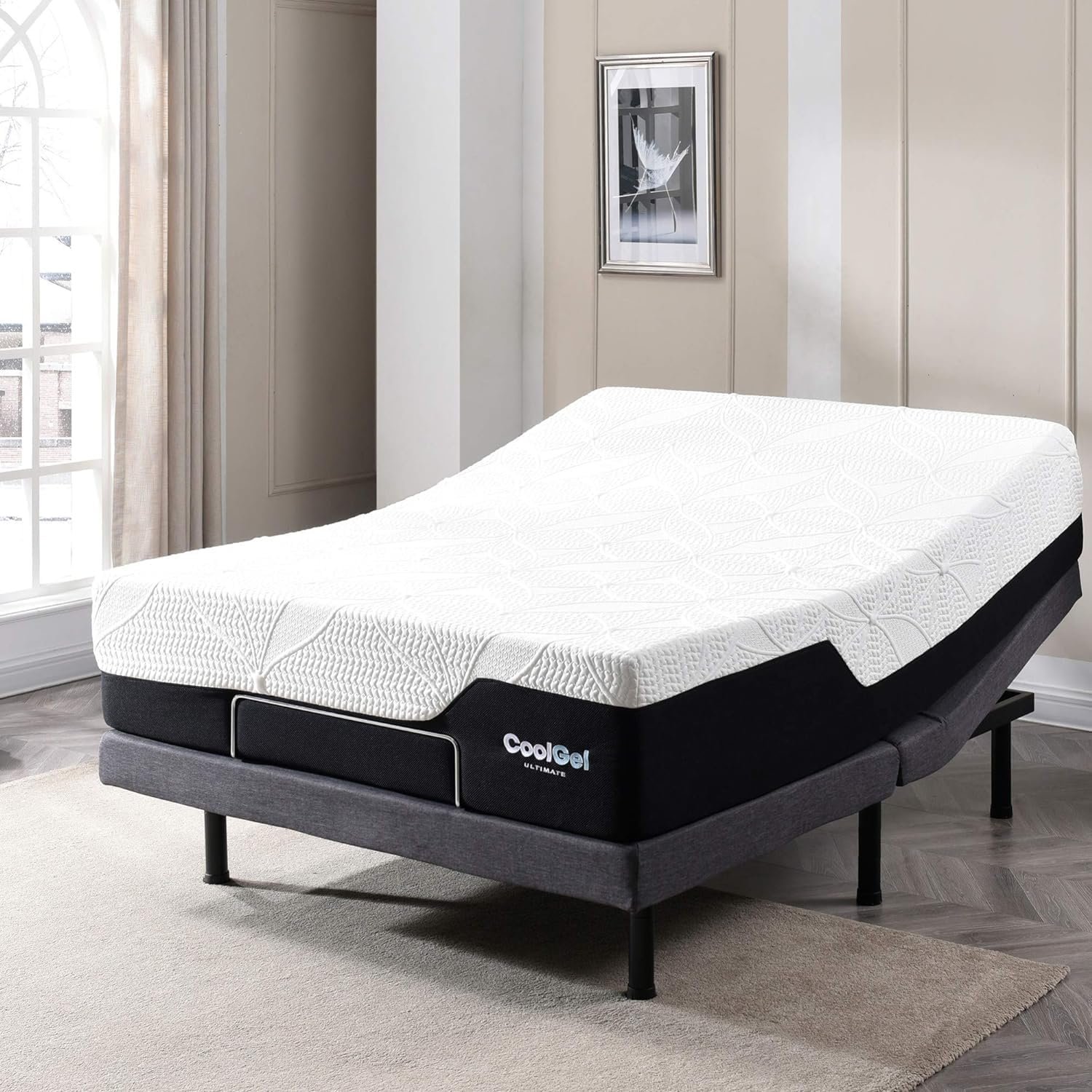
Advanced Cooling Gel Memory Foam Mattress
This cooling mattress features a ventilated cooling gel memory foam layer and open-cell design that enhances airflow and heat dissipation. Medium-firm support helps relieve pressure points while promoting spinal alignment for back, side, and stomach sleepers. The foam is CertiPUR-US certified, fiberglass-free, and made in the USA, supporting comfort and peace of mind.
Key cooling and comfort features include:
- Ventilated gel memory foam for airflow
- Open-cell structure to reduce heat buildup
- Medium-firm pressure-relieving support
- Fiberglass-free, CertiPUR-US certified materials
- Available in multiple sizes and thicknesses
These features work together to reduce heat retention during the night. By removing temperature-related disruptions, your body has an easier time staying asleep once rest begins.
temp control
For Hot Sleepers
Ventilated gel memory foam promotes airflow, reduces heat buildup, and supports steady comfort through the night for hot sleepers.
Cooling Support for Hot Sleepers
When your body cannot release heat at night, sleep becomes lighter and more fragmented. Our sleep shop for hot sleepers brings together cooling mattresses, moisture-wicking bedding, and airflow-friendly pillows that help support temperature regulation and reduce nighttime overheating.
Daily Behaviors That Support Nighttime Cooling
Your daily routines influence how effectively your body regulates temperature at night. Predictability helps the nervous system operate more smoothly and reduces sudden temperature shifts during sleep.
Helpful habits include:
- Avoiding caffeine later in the day
- Eating meals at consistent times
- Staying hydrated while reducing fluids close to bedtime
- Allowing time to unwind without rushing
- Keeping naps brief and earlier in the day
Consistency helps your nervous system regulate temperature more efficiently. When daytime signals are clear, nighttime cooling becomes easier to maintain.
How Alcohol and Late Meals Interfere With Sleep Temperature
Alcohol and heavy meals raise core body temperature and disrupt sleep stability. While alcohol may cause initial drowsiness, it increases heat production and fragments sleep later in the night.
Helpful adjustments include:
- Avoiding alcohol within three to four hours of bedtime
- Eating your largest meal earlier in the day
- Choosing lighter foods in the evening
- Reducing spicy or high-fat meals late at night
- Pairing evening meals with calming activity afterward
Reducing these warming behaviors protects your body’s natural cooling window. This support helps prevent nighttime temperature spikes that fragment sleep.
Wrapping Up
Temperature plays a meaningful role in how easily sleep begins and how deeply it continues. When insomnia disrupts your body’s ability to cool, sleep becomes lighter and more fragmented. Supporting your natural cooling rhythm through steady habits, calming transitions, and a supportive sleep environment helps reduce nighttime alertness and restore predictability.
You do not need drastic changes to improve sleep. Small, consistent adjustments send clear signals to your nervous system that it is safe to rest. Over time, nights feel calmer, sleep becomes more stable, and mornings feel clearer as rest gradually rebuilds.
Join the Better Sleep Movement
Improving sleep is easier when you are not trying to figure everything out on your own. The Snug Slumber newsletter provides steady, science-based guidance designed to help you understand what is happening in your sleep system and why certain changes matter. Each week, you receive practical tools and clear explanations rooted in CBT-I and NIH research, so you can move forward with confidence instead of guesswork.
Sleep improvement rarely happens all at once. It develops through awareness, consistency, and small adjustments made over time. By learning how your sleep responds to routine, stress, environment, and recovery, you begin to recognize patterns that support rest rather than disrupt it. Each message is simple and doable, without the overwhelm. We’ll help you with manageable changes that add up to meaningful, lasting sleep improvement.